Foto Friday – More Oman!

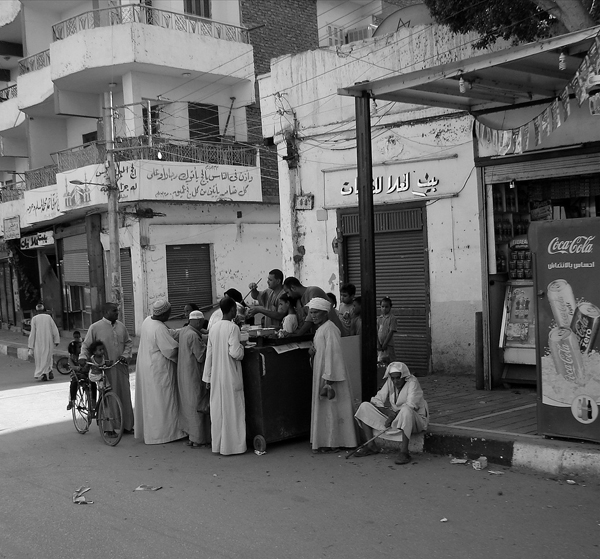
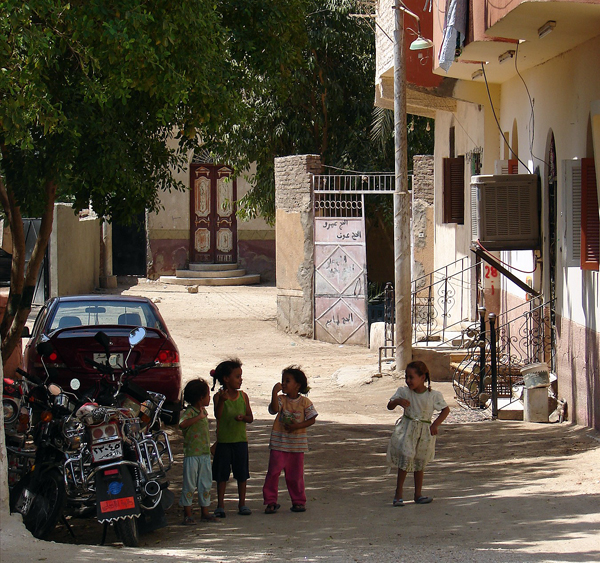
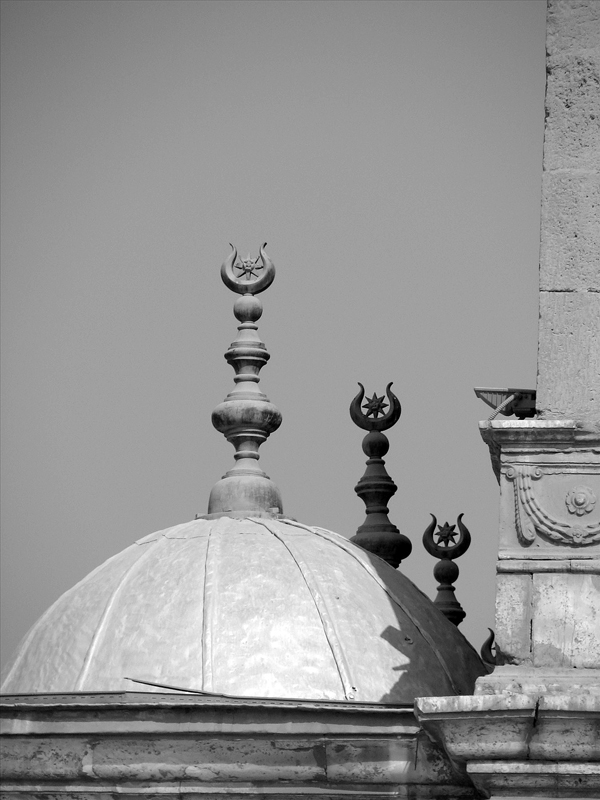
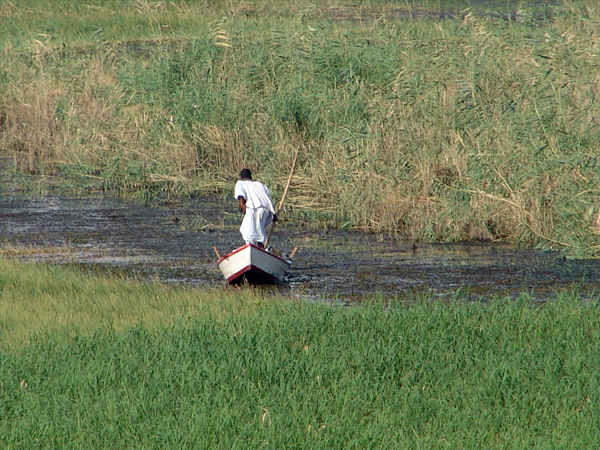
Happy Friday! Please enjoy another set of photos of the magnificent country of Oman. All images are courtesy of our partner in Oman, Elite Tourism. Click here to see more photos of Oman and click here to read Rich Davis’ post about Oman after his December 2013 visit.

Sur, Oman, photo courtesy of Elite Tourism

Sur, Oman, photo courtesy of Elite Tourism

Click to see tours to Oman on our website.

Enjoy the weekend!

Dubai: Superlative City

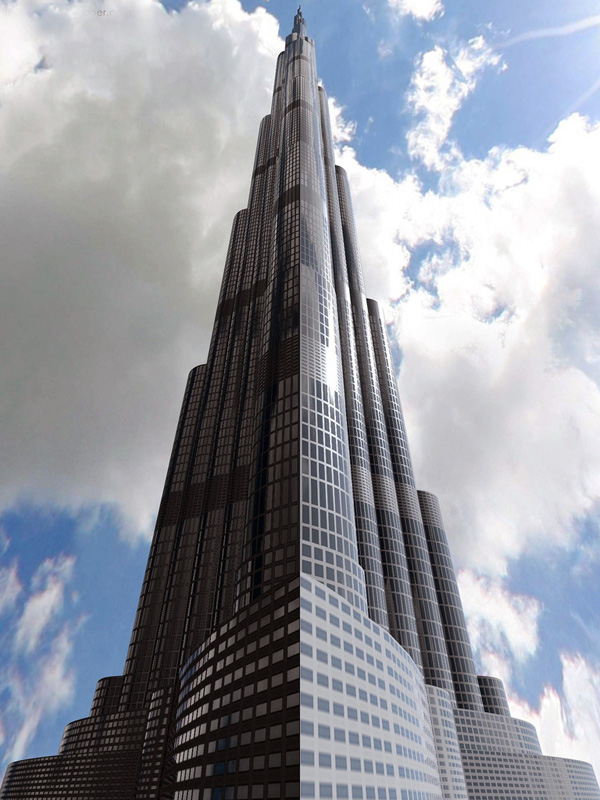
Burj Khalifa, Dubai

Burj Khalifa, Dubai

Tallest Building – Burj Khalifa
At 828 meters (2,717 feet), the Burj Khalifa in Dubai is the tallest building in the world and the tallest free-standing structure. It has over 160 floors, the most in the world, the highest occupied floor, and the highest outdoor observation deck in the world, on the 124th floor. How does one access all of those super-high floors? Why, on the world’s longest elevator ride, of course. That’s longest in distance, not time. The Burj Khalifa’s high-speed elevators travel 10 meters per second. Click for more about the Burj Khalifa.

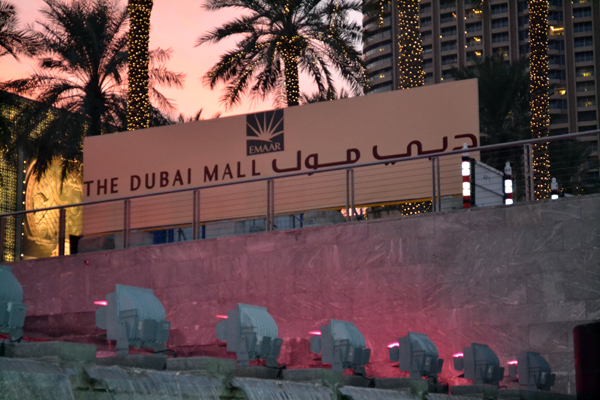
Dubai Mall, photo by Rich Davis

Dubai Mall, photo by Rich Davis

Largest Shopping Mall – Dubai Mall
Dubai is famous for its shopping. With over 70 malls and shopping centers, and more in the works, shopping is the city’s top tourist attraction. Now, the pinnacle of shopping malls in the world’s best shopping city has got to be something to see. If shopping is your thing, I’m sure you would agree. That place is Dubai Mall, the largest mall in the world, with 1200 shops, including chain stores from around the world, as well as local names, hundreds of places to eat, an ice rink, a theme park, an aquarium (see below), a 22-screen cinema and access to Burj Khalifa, with all of its wonders (see above).

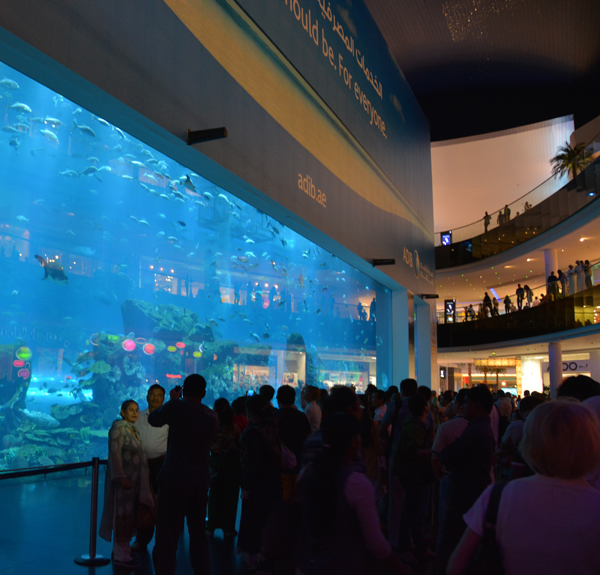
Dubai Aquarium

Dubai Aquarium

Largest Aquarium Viewing Panel – Dubai Aquarium
Inside the world’s largest shopping mall (see above) is the world’s second largest aquarium with the world’s largest viewing window – 108 feet long and 27 feet tall. Through the giant window you can watch a mesmerizing ballet of 33,000 marine animals, probably not all at the same time.

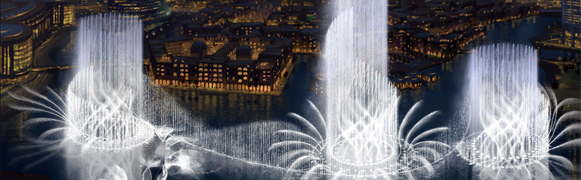
Dubai Fountain, photo from Emaar Properties, emaar.com

Dubai Fountain, photo from Emaar Properties,
emaar.com

Largest Dancing Fountain – Dubai Fountain
Outside the world’s largest shopping mall (see above) is the world’s largest dancing fountain, performing every 30 minutes from 6-11pm (11:30 Thurs-Sat). The fountain winds for 900 feet around Dubai Lake and shoots water 500 feet into the air.

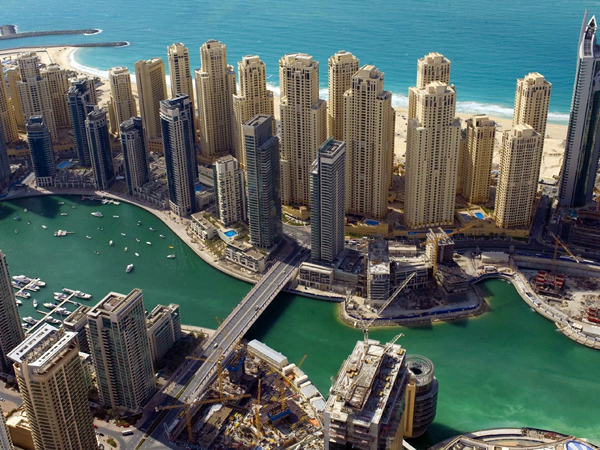
Dubai Marina

Dubai Marina

Largest Man-Made Marina – Dubai Marina
Motivated by the demand for waterfront property, Dubai has developed the largest man-made marina in the world. A two-mile long channel was dredged to let in water from the Arabian Gulf and a city within a city rose up along its shores.

Burj Al Arab, Dubai

Burj Al Arab, Dubai

Most Luxurious Hotel – Burj Al Arab
The iconic, sail-shaped Burj Al Arab has been called the only 7-star hotel in the world. Built on an artificial island just off Jumeirah Beach, the only access is by a private bridge (or helipad). Although it’s the world’s 4th tallest hotel, it has only 202 guest suites on 28 double floors. Suites range in size from 1,820 to 8,400 square feet.

That’s all the superlatives I have for now, although I’m pretty sure most of the projects mentioned above broke records for speed of construction and money spent. Dubai is nothing if not determined to succeed in tourism. In 2013 it was ranked the 7th most visited city in the world. We’re betting it will do better than that in years to come.

Click to see tours to Dubai on our web site.

Foto Friday – Oman

Happy Friday!

Please enjoy photos of some people (and a few camels) of Oman.
The pictures are all courtesy of our partners in Oman, Elite Tourism.

smiling camel and friend, Wahiba Sands, photo courtesy of Elite Tourism, Oman

smiling camel and friend, Wahiba Sands, photo courtesy of Elite Tourism, Oman

Wahiba Sands, photo courtesy of Elite Tourism, Oman

Wahiba Sands, photo courtesy of Elite Tourism, Oman

Click to read guest blogger Rich Davis’ enthusiastic impressions of Oman.

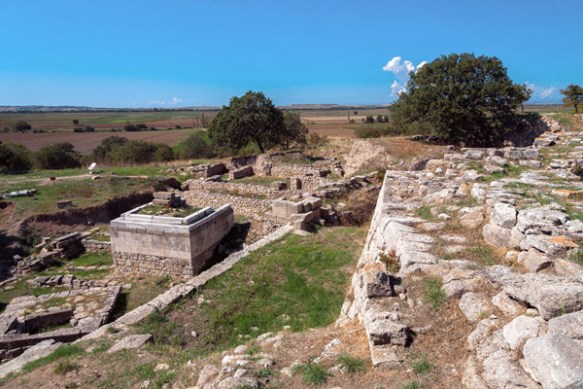
Troy

archaeological site of Troy, Turkey

archaeological site of Troy, Turkey

The archaeological site of Troy is located in western Turkey near the convergence of the Aegean Sea and the Dardanelles (ancient Hellespont), the strait that connects the Aegean to the Bosphorus and the Black Sea, a strategic location valuable to whomever controls it.

Excavations have revealed 9 main layers of settlement going back 5 thousand years. The Troy immortalized by Homer in the Iliad, which tells the story of the final months of a 10 year siege of Troy by a coalition of Greek states, has been placed in layer VIIa, dated to around 1250 BCE. Scholars generally agree that the Iliad is a fictionalized, mythologized account of an actual conflict, but that the war was most likely over control of the Hellespont and trade access to the Black Sea, rather than the abduction of Helen, the queen of Sparta, as Homer tells it.

Factual or not, the Iliad is full of very human characters and dramatic force that are embedded in the foundation of Western culture and still compelling 3000 years later. Troy is one of the most visited archaeological sites in the world, not because of a 3000 year old dispute over territory, but because of the mythical proportions of the characters and events placed there by Homer.

So, that’s what we’re looking at in this post and the previous post, the story of Troy, the people (both mortal and immortal) and relationships that continue to give it life even now, when it physically bears little resemblance to its actual or imaginary self.

When we left off in the last post, the assembled Greek warriors had just set sail for Troy, having purchased good winds with the life of Agamemnon’s daughter Iphigenia. They’re headed to get Helen, wife of Menelaus, king of Sparta, back from Paris, prince of Troy, who took her.

Paris was exceptionally good-looking but not particularly courageous. What made him think he could get away with stealing the wife of a king? Aphrodite, goddess of love, that’s what, or who. I don’t mean in a metaphorical “love will find a way” sense but in a literal sense, at least as literal as it gets in the realm of myth and legend. Here’s the story: Eris, the goddess of discord, was bitter because she was not invited to the wedding party of the hero Peleus and the sea-nymph Thetis. Eris was a troublemaker by nature. She took her revenge by tossing a golden apple into the party inscribed with the words “for the fairest.” The apple was instantly claimed by three goddesses – Hera, Athena and Aphrodite, all very beautiful and vain. None was willing to defer to another, so they took the case to Zeus. Zeus was far too smart to get involved, especially considering one of the goddesses was his wife Hera, so he appointed the unsuspecting mortal Paris as judge. The three goddesses appeared before Paris in a field, where he was tending sheep, and lobbied hard for his vote. Hera promised to make him the king of Europe and Asia. Athena offered to make him a great warrior. Aphrodite vowed to give him the love of the world’s most beautiful woman, Helen of Sparta. You know how that contest ended. Aphrodite was declared the fairest and the fate of Troy was sealed then and there. Not only was Paris about to bring the enmity of Greece down on his city, but the wrath of two goddesses as well. Troy was doomed. But it wouldn’t be a quick and merciful end.

The siege of Troy lasted 10 years. Paris fought for his city but his brother Hector was by far the nobler warrior and man. Considering all the trouble Paris had caused, you can’t blame Hector for being hard on him, which he was, in a brotherly way. Mostly, Hector was busy trying to save the city and his family. Most of Troy called for the return of Helen to Menalaus. Unfortunately, the big softy King Priam supported his son’s desire to keep Helen and treated her as a daughter.

Meanwhile, in the Greek camp Agamemnon and the great warrior Achilles squabbled over Briseis, the queen of a Trojan ally captured in battle, and endanged their cause in the process. Briseis belonged to Achilles and Agamemnon took her, so Achilles refused to fight. He was the Greek’s best warrior and in his absence they lost a lot of ground. After his friend Patroclus was killed by Hector, Achilles returned to the battlefield in a fit of grief, mowing down Trojan soldiers until the river ran red with blood. Eventually he met Hector and killed him.

That’s pretty much the end of the Iliad but from other sources we learn about the Wooden Horse and the sack of Troy. Odysseus, the wily King of Ithaca, devised the plan to hide their best fighters inside a giant wooden horse, leave it at the gates of Troy and sail away. The Trojans fell for this and brought the horse inside. After dark, the hidden Greeks came out of the horse and opened the gates to the entire Greek army, which hadn’t sailed away very far. That was the end of Troy.

Paris and Hector had been killed on the battle field, along with many other Trojans and allies of Troy, and most of those who survived the siege died in the sack of the city, including King Priam. Agamemnon survived the war and returned to Mycenae only to be killed by his wife Clytemnestra, who hated him for sacrificing their daughter Iphigenia. More about that in my previous post. (That family’s tragedy goes on and on.) Menelaus and Helen returned to Sparta.
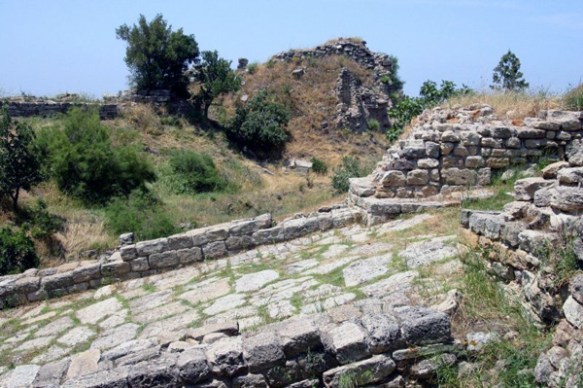
ruins at Troy, Turkey
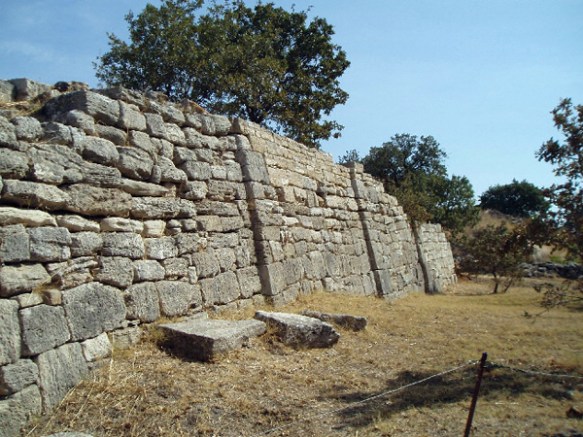
ruins at Troy, Turkey

ruins at Troy, Turkey

ruins at Troy, Turkey

ruins at Troy, Turkey

ruins at Troy, Turkey

To visit Troy, spend the night in Canakkale, about a 30 minute drive away. Many people find the site disappointing. It does take some imagination, and a good guide, to connect with the history of the place but I wouldn’t miss it, especially if you’re a nerd for the Classics.

Click to see tours that include Troy on our web site.
Foto Friday – More Egypt

Happy Friday!

Enjoy the Egypt photos. Most were taken by our friend Jason Hedrick when he traveled  with us in 2010.

Luxor, Egypt, photo by Jason Hedrick

Luxor, Egypt, photo by Jason Hedrick

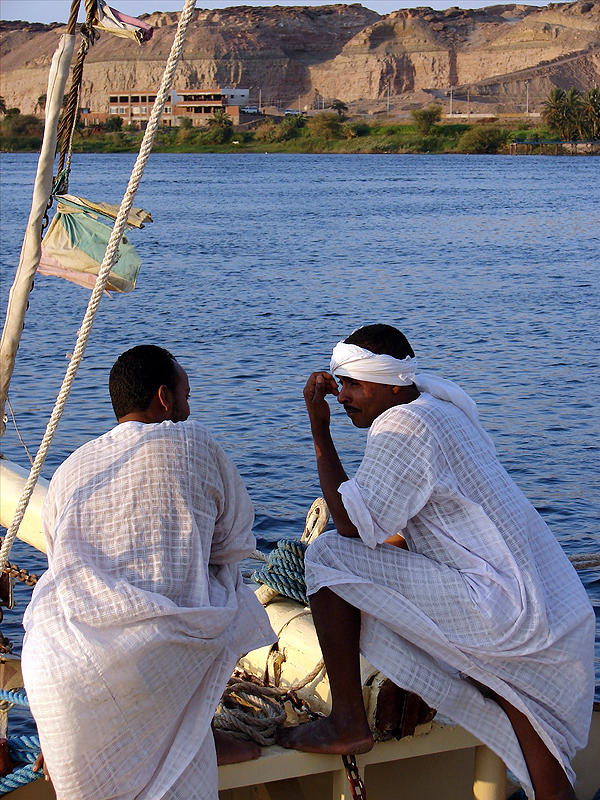
Aswan, Egypt, photo by Jason Hedrick

Aswan, Egypt, photo by Jason Hedrick

Aswan, Egypt, photo by Jason Hedrick

Aswan, Egypt, photo by Jason Hedrick

Edfu, Egypt, photo by Jason Hedrick

Edfu, Egypt, photo by Jason Hedrick

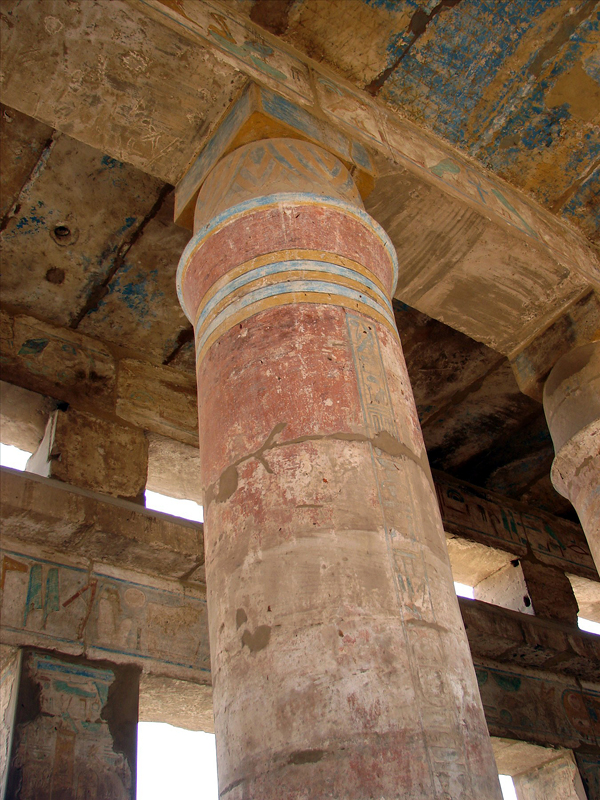
Luxor, Egypt, photo by Jason Hedrick

Luxor, Egypt, photo by Jason Hedrick

Cairo, Egypt, photo by Jason Hedrick

Cairo, Egypt, photo by Jason Hedrick

on the Nile, photo by Jason Hedrick

on the Nile, photo by Jason Hedrick

on the Nile, near Aswan, Egypt, photo by Jason Hedrick

on the Nile, near Aswan, Egypt, photo by Jason Hedrick

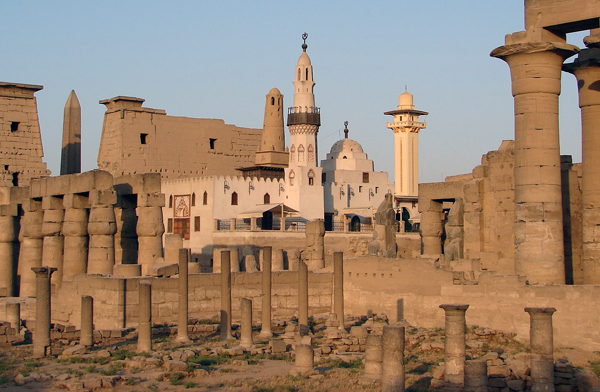
Abu el Haggag Mosque, Luxor, Egypt, photo by Jason Hedrick

Abu el Haggag Mosque, Luxor, Egypt, photo by Jason Hedrick

Luxor, Egypt, photo by Jason Hedrick

Luxor, Egypt, photo by Jason Hedrick

Have a great weekend everyone!

Patmos & Revelation

Patmos is a Greek island off the western coast of Turkey. It’s especially important for Christians as the place where the Book of Revelation was written. The author refers to himself as John and there are varying opinions as to whether he and the author of the Gospel of John (the “beloved disciple” of Jesus) were one in the same.

In any case, John of Patmos  was an exile or refugee on the island during the Christian persecutions by the Roman emperor Domitian near the end of 1st century. If he was the disciple of Jesus, he would have been in his 90s. The story goes that John took shelter from the heat of the day in a cave and there encountered Jesus in the form of an angel, who dictated a message to each of seven Christian communities in Asia Minor (western Turkey). Then John was transported to heaven and the throne of God, where he received an apocalyptic message that has deeply affected Western culture, religious and secular.

This slideshow requires JavaScript.

Whether read as prophecy or allegory, the imagery is vivid and terrifying. John is shown the radiant throne of God encircled by a rainbow and emitting thunder and lightning. Jesus stands before the throne in the form of a slaughtered lamb and he shows John the 4 Horsemen of the Apocalypse. Then John sees a sign in heaven – a pregnant woman clothed in the sun and a tremendous red dragon waiting to take her child. As soon as the child is born, he is taken to heaven and his mother escapes to the forest. The enraged dragon is thrown out of heaven to earth, where he calls upon 2 beasts to assist him in a battle against heaven. In heaven, 7 angels pour 7 bowls full of God’s wrath onto the earth to torment the faithless there. Jesus leads an army of angels against the dragon and his angels and the ungodly humans. The forces of heaven prevail and vultures devour all the ungodly dead. The dragon is thrown into Hell. All the dead rise to be judged by Jesus, who throws the evil-doers into Hell and welcomes the good to eternity in Heaven. That’s the short version. Until recently, I had never read the full text. Actually, I still haven’t read it. I listened to a mesmerizing audio recording by Max McLean.

This slideshow requires JavaScript.

Getting to Patmos is not easy. For groups, we usually charter a private boat from Kusadasi, Turkey, but that’s expensive for couples and small parties. Most Aegean cruises include a port stop at Patmos, see the cruise tours on our website. Ferries from Piraeus take 7-8 hours. It may be possible to fly from Athens to Samos and ferry to Patmos from there.

Faster, Higher, Stronger in Ancient Olympia

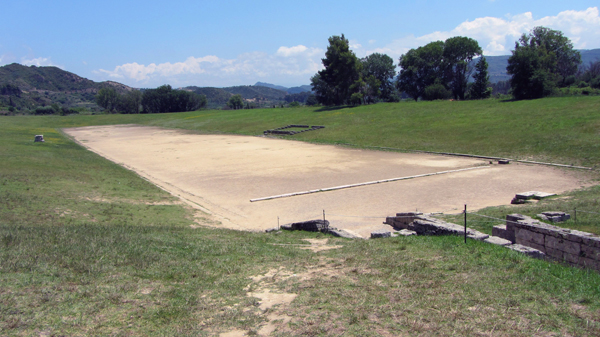
the ancient stadium at Olympia, Greece

the ancient stadium at Olympia, Greece

The Olympics are coming up very soon, in case you hadn’t heard. Profiles of athletes, scrutiny of the human rights transgressions of the Russian hosts and concerns about security have been daily media topics for several weeks now. I can hardly let the season pass without contributing something from our particular angle. So here’s a piece about the original Olympic Games and their home, Olympia, Greece.

The ancient games began in 776 BCE and went on every four years until they were banned as a pagan festival by the Christian Roman Emperor Theodosius in 393 CE.

The Olympian Games was one of four Panhellenic festivals held every two or four years, scheduled to alternate so that at least one or another happened each year. Besides the Olympian Games, there were the Pythian Games, the Nemean Games and the Ithsmian Games. They were all primarily religious festivals, with the Olympic Games dedicated to Zeus. They were also designed to promote friendly interaction between sometimes combatant city states. The main political entity of Ancient Greece was the city-state and conflict over resources was constant. More than competition, the games brought everyday rivals together to celebrate those things they had in common, namely religion and the great honor of being Greek.

Only free Greek men were allowed to compete in the games. Women could not compete and could only watch the games if they were unmarried. One source I read explained that the ban on married women was due to the nakedness of the athletes and, while I think that’s only speculative, there is logic to it. Whatever the reason for the ban, it was on penalty of death. It’s true that the athletes competed in the nude, which seems dangerous to me, and not very aerodynamic. Nevertheless, Ancient Greeks celebrated the fit male form and regularly put it on display. They generally exercised in the nude and had naked drinking parties called symposia.

Originally the games only lasted one day but over the years grew to five days, part of that time take up by religious rituals. The competitive events included running, jumping, discus throwing, javelin throwing, wrestling, boxing, horse racing and chariot racing. Winners received an olive branch and red ribbons after their event and an olive wreath crown at the closing ceremony. More prizes awaited from their home towns, where they were treated as local heroes.

The site of the ancient Olympian Games was the sanctuary of Olympia on the western Peloponnese peninsula. The setting is idyllic in a lush river valley, with rolling green hills all around. The temples of Zeus and Hera were the main religious attractions. They were accompanied by treasuries and administrative buildings. A colossal ivory and gold statue of Zeus stood in his temple and was one of the Seven Wonders of the Ancient World. The main structures for athletic events were a stadium and a hippodrome for the horse and chariot races. Today, the site consists of a lot of foundations and broken columns. The most complete remains are the partially reconstructed Temple of Hera and the Philippeion, built to honor a battle victory by Philip of Macedon (father of Alexander the Great). It’s an exceptionally lovely place, do visit if you have the chance.

Olympia is about 4 hours from Athens but is best seen on several-days tour of the Peloponnese.

Click to see tours that include Olympia on our web site.
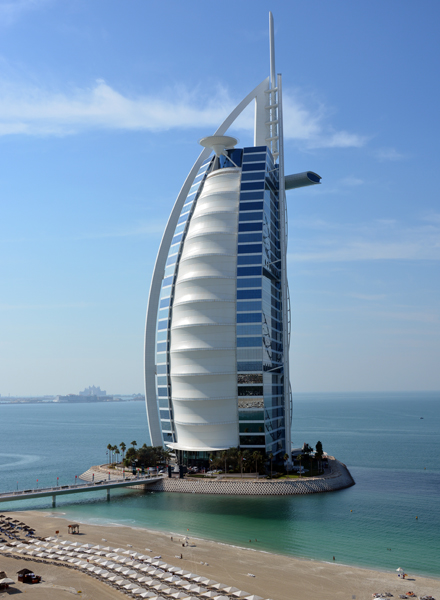
Foto Friday – EGYPT

Here’s a little visual escape to Egypt for your Friday.

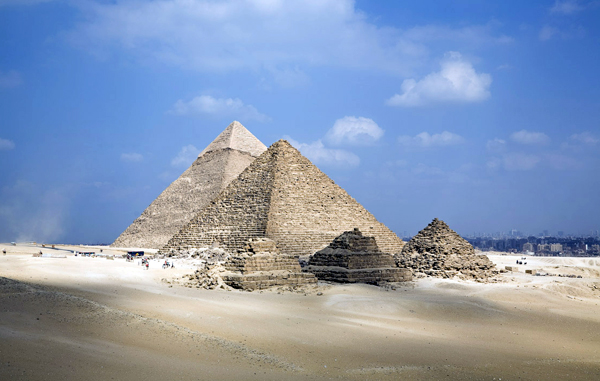
the pyramids of Giza, Egypt

the pyramids of Giza, Egypt

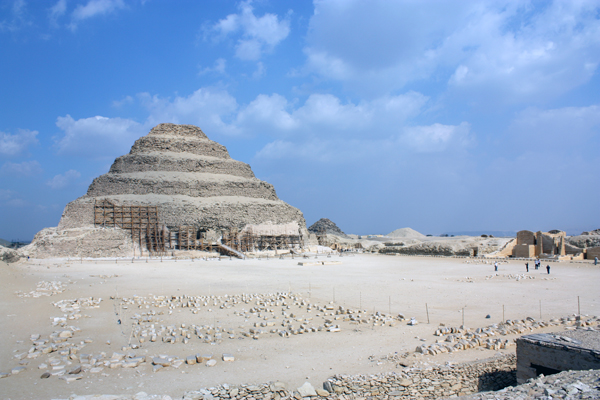
the Step Pyramid, Sakkara, Egypt

the Step Pyramid, Sakkara, Egypt

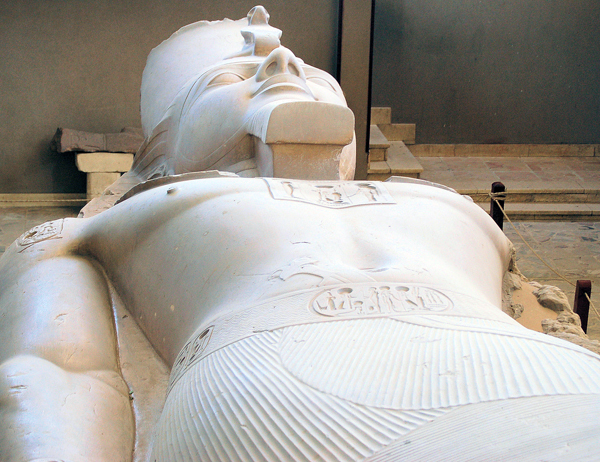
Recumbent Ramesses colossal statue, Memphis, Egypt

Recumbent Ramesses colossal statue, Memphis, Egypt

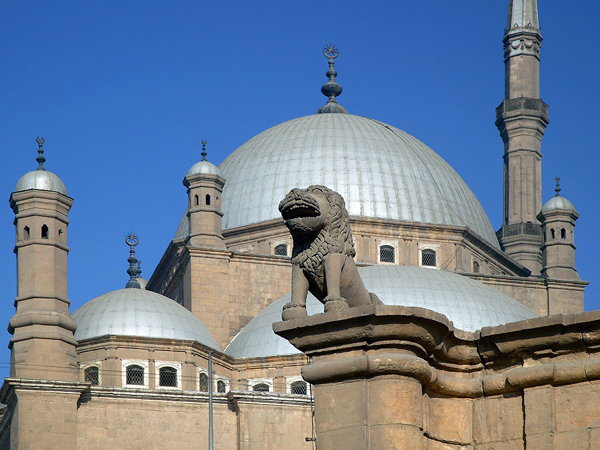
Mohammed Ali Mosque, Cairo, Egypt

Mohammed Ali Mosque, Cairo, Egypt

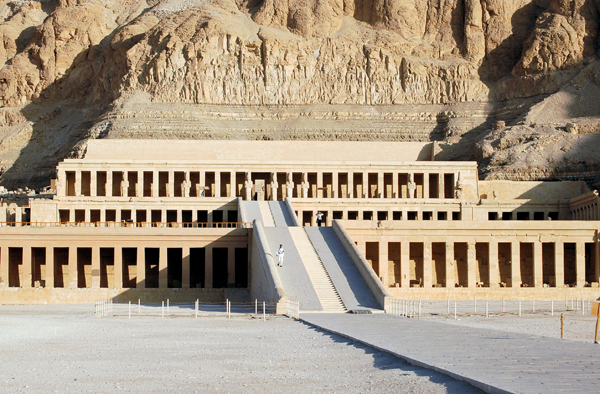
Hatshepsut Temple, near Luxor, Egypt

Hatshepsut Temple, near Luxor, Egypt

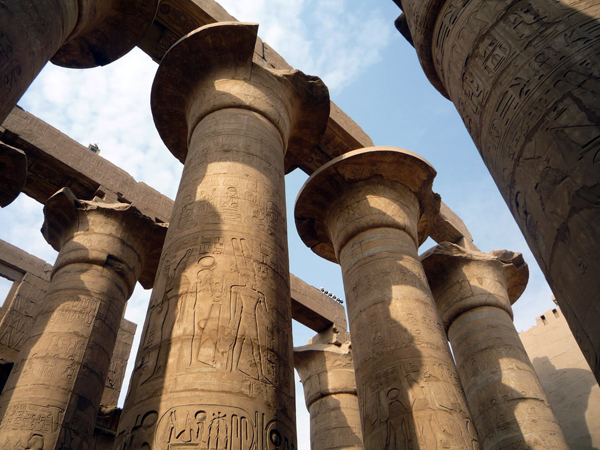
Karnak Temple, Luxor, Egypt

Karnak Temple, Luxor, Egypt

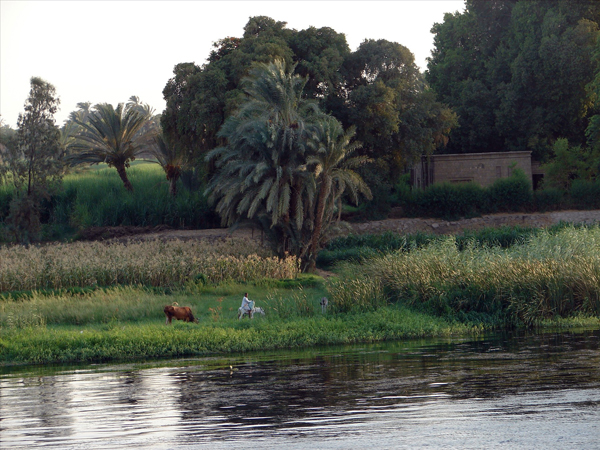
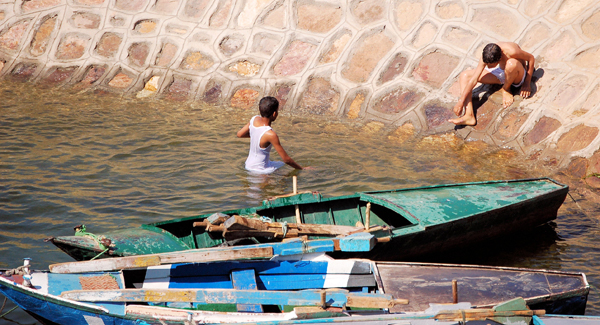
banks of the Nile, photo by Jason Hedrick

banks of the Nile, photo by Jason Hedrick

banks of the Nile

banks of the Nile

Enjoy the weekend!

Another Arabian Peninsula Foto Friday – Dubai & Oman

We have so many great images from our Arabian Peninsula fam trip to the UAE (specifically Dubai and Abu Dhabi) and Oman, I’ll keep posting them in nice juicy batches until you’ve seen them all. Most of these are from fam group member Sallie Volotzky, with one or two from our Midwest Sales Manager, Rich Davis.

DUBAI

Here are a few shots of the Bastakiya Mosque. The Bastakiya district is one of Dubai’s oldest neighborhoods and is full of traditional character.

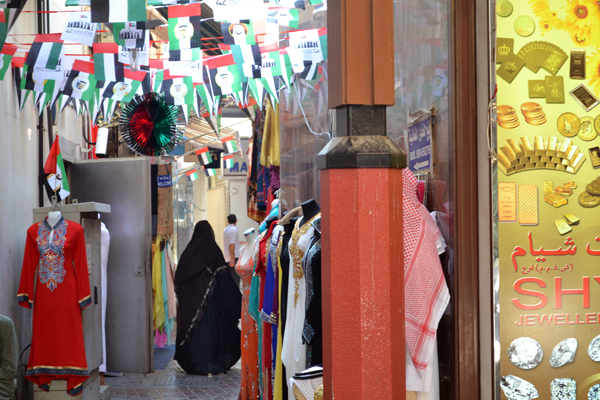
Dubai’s Gold Souk is located in the business district of Deira. With hundreds of shops, the souk contains something like 10 tons of gold.

walking through the Gold Souk, Dubai, photo by Rich Davis

walking through the Gold Souk, Dubai, photo by Rich Davis

OMAN

Traditional elements merge into a sleek, modern whole in Muscat’s sparkling Sultan Qaboos Grand Mosque. It was completed in 2001 and can hold 20,000 worshippers.

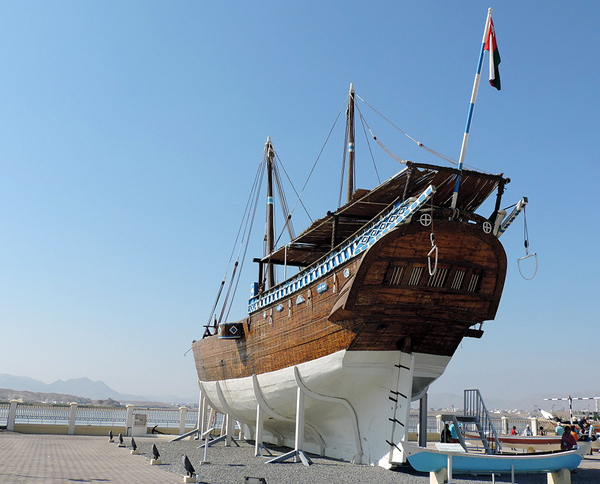
The ancient city of Sur, Oman, about 93 miles southeast of Muscat, was an historically important port and center for ship building in the Arabian Gulf.

restored Ghanjah Dhow, Sur shipyards, Sur, Oman, photo by Sallie Volotzky

restored Ghanjah Dhow, Sur shipyards, Sur, Oman, photo by Sallie Volotzky

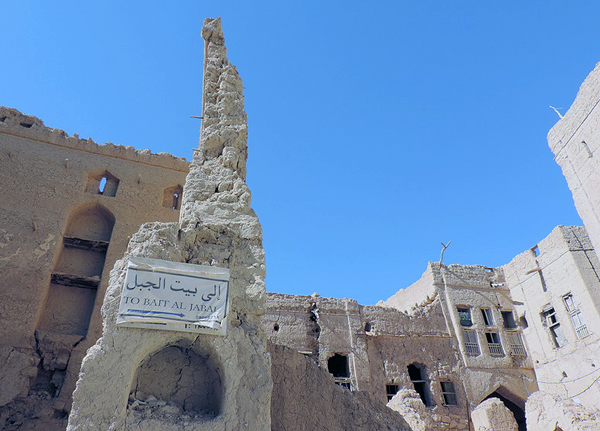
Al Hamra is a largely-abandoned, 400-year-old, mudbrick village, the best-preserved of its kind in Oman. It’s located in northeastern Oman, about 140 miles northeast of Muscat.

Al Hamra, Oman, photo by Sallie Volotzky

Al Hamra, Oman, photo by Sallie Volotzky

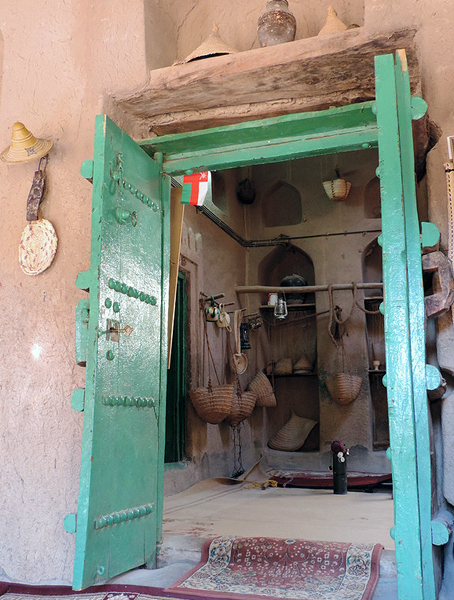
Bait al Safa is a cultural center/museum in Al Hamra, where local women demonstrate traditional methods of milling grain, cooking, weaving etc.

Bait al Safa, Oman, photo by Sallie Volotzky

Bait al Safa, Oman, photo by Sallie Volotzky

On the road to Al Hamra…

For impressions of Oman in words, read Rich Davis’ post. For more Oman and UAE pictures, see these posts – Foto Friday and Dubai, Abu Dhabi and Oman: a few photos.

Our tours to Oman can be found here and our tours to the UAE can be found here. They are all privately escorted and open for customization. We will also create custom itineraries from scratch in any of the areas we serve – Oman, UAE, Qatar, Bahrain, Egypt, Greece, Israel, Jordan, Morocco, Turkey and Cuba.

Enjoy the weekend!

Foto Friday – Dubai, Abu Dhabi and Oman

As promised, here are a few more images from our fam trip to the Arabian Peninsula, specifically, Dubai, Abu Dhabi and northern Oman. All of these photos were taken by two travelers on the trip. I hope you enjoy the viewing as much as I have. There are still lots more to come.

DUBAI

Dubai, photo by Sue Alstedt

Dubai, photo by Sue Alstedt

Dubai, photo by Sallie Volotzky

Dubai, photo by Sallie Volotzky

ABU DHABI

Grand Mosque, Abu Dhabi, photo by Sue Alstedt

Grand Mosque, Abu Dhabi, photo by Sue Alstedt

Grand Mosque, Abu Dhabi, photo by Sue Alstedt

Grand Mosque, Abu Dhabi, photo by Sue Alstedt

Men & their falcons, Abu Dhabi, photo by Sue Alstedt

Men & their falcons, Abu Dhabi, photo by Sue Alstedt

ARABIAN DESERT

Qasr Al Sarab Desert Resort near Abu Dhabi, photo by Sue Alstedt

Qasr Al Sarab Desert Resort near Abu Dhabi, photo by Sue Alstedt

Arabian Desert, photo by Sallie Volotzky

Arabian Desert, photo by Sallie Volotzky

OMAN

northern coast of Oman, photo by Sue Alstedt

northern coast of Oman, photo by Sue Alstedt

leaning in for a pat, Muscat, Oman, photo by Sue Alstedt

leaning in for a pat, Muscat, Oman, photo by Sue Alstedt

somewhere in Oman, photo by Sue Alstedt

somewhere in Oman, photo by Sue Alstedt

Muscat, Oman, photo by Sue Alstedt

Muscat, Oman, photo by Sue Alstedt

Muscat, Oman, photo by Sue Alstedt

Muscat, Oman, photo by Sue Alstedt

Nizwa Fort, Oman, photo by Sue Alstedt

Nizwa Fort, Oman, photo by Sue Alstedt

northern coast of Oman, photo by Sue Alstedt

northern coast of Oman, photo by Sue Alstedt

See our website for tours to Abu Dhabi, Dubai and Oman. We have 10 tours published there with detailed itineraries, from 3 and 4-day stopover tours focused on the highlights of Abu Dhabi, Dubai, Muscat or Salalah, to a 15-day comprehensive tour of Abu Dhabi, Dubai, Doha and Oman. In between, we have two 8-day tours, Wonders of Arabia and Glory of Arabia, with different configurations of Abu Dhabi, Dubai and the Arabian Desert in UAE. In Oman, we have a 6-day tour that includes both Muscat in the north and Salalah in the south, two very different regions, and a 9-day tour covering Muscat, Salalah, Nizwa, Sur and the Wahiba Sands desert. All itineraries are privately escorted and so totally flexible. We will also create custom itineraries to any of our destinations in the Arabian Peninsula.

Happy weekend!