Unknown's avatar

About yalla2013

Ya'lla Tours USA is a boutique tour operator offering top quality travel services in 10 exciting countries: Bahrain, Cuba, Egypt, Greece, Israel, Jordan, Morocco, Oman, Turkey and the United Arab Emirates. Ya'lla Tours communications director, Kyna Perry, writes this blog based on personal experience and the deep well of experience and knowledge of Ya'lla colleagues near and far.

Mighty Aphrodisias

tetrapylon, Aphrodisias

tetrapylon, Aphrodisias

The site of Aphrodisias in south-central Anatolia (Asian Turkey) was a major cult center of the regional version of Aphrodite, the Greek goddess of love and fertility. Around the 3rd century BCE, Aphrodite was merged with the local Great Mother goddess of fertility, worshipped here in the lush Dandalas River Valley for more than 5,000 years before the Greek pantheon settled in. Continue reading

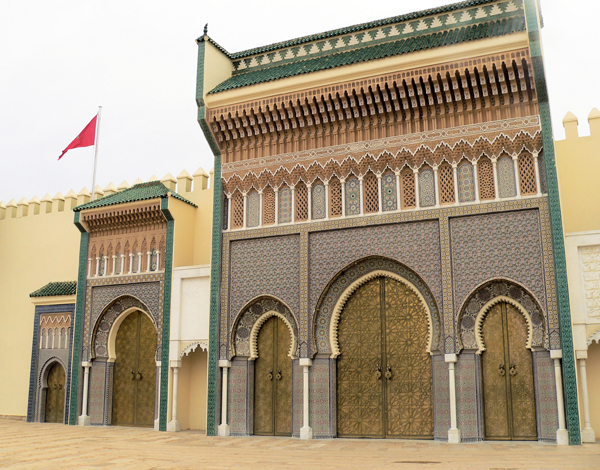
Gates of Fez

Founded in the 8th century, Fez is the intellectual, cultural and spiritual center of Morocco. The Medina, or Old City, is one of the best preserved medieval cities anywhere. Today, the pungent, labyrinthine Medina pulses with daily life much as it has for over 1,000 years. The Medina consists of the larger and older Fes el Bali, parts of which date to the 9th century, and Fes Jdid, which originated in the 13th century. Fes el Bali is a UNESCO World Heritage Site. Some of the most interesting sites in the Medina are the many gates that pierce the ancient city walls. Here are just a few: Continue reading

Aegina Island, Greece

The island of Aegina is just 16 miles from Athens in the Saronic Gulf. Ferries travel regularly from Piraeus and take about an hour and 15 minutes.

With ancient ruins, idyllic fishing villages and lots of beaches, the island makes a good day-trip from Athens.

Sites of interest include:

Temple of Aphaia

The 5th century BCE Doric Temple of Aphaia (Afea), a local goddess of fertility, is a beautiful monument in its own right, but it’s especially interesting because it is built on the site of a Mycenean Mother Goddess sanctuary, which dates to at least the 13th century BCE.

Kolona archaeological site

Kolona archaeological site

Near the Aegina harbor, the Kolona archaeological site is easily recognized by its  lone column, all that stands of a Temple of Apollo, which was destroyed by Christians in the 4th century. The site was continuously inhabited for two thousand years from about 3000BCE and sporadically thereafter. There are remains (mostly rubble) of a theater, a stadium, numerous temples, civic buildings, a synagogue, tombs and a port. If you’re an archaeology nerd, you’ll love exploring this place. If not, it may try your patience. The lovely views should satisfy anyone. The Archaeological Museum helps make sense of this very complex site and documents the history of other parts of the island as well.

Paleochora

Paleochora

Paleachora (which means Old Town) was the site of the island’s capital for a thousand years (9th-19th centuries CE). Remains consist mostly of Byzantine churches, 38 of them, to be precise. Scattered across a steep hillside, the churches are connected by footpaths and range in condition from newly restored to quite decayed. Nearby, the very beautiful, 20th century Agios Nektarios church honors a saint who died in 1920 and is a popular pilgrimage site.

Perdika village

Perdika village

Perdika is a sweet fishing village, with cafes and bars facing the small harbor and Moni Island beyond. It’s a popular place for fish lunch. Across from the harbor is the Camera Obscura, built in 2003 for the Light & Image Exhibition. A 360-degree image of the surrounding landscape is projected, upside down, on the inner walls of the cylindrical building though small holes in the walls.

The coast road is dotted with equally quaint villages.

And now a plug for Animal Protection Aegina Agistri, just because. It’s an animal welfare charity and founding member of the Panhellenic Animal Welfare Federation that shelters dogs and cats, vaccinates, neuters and finds homes for hundreds of animals annually. Check out their FB page!
 

NAME THAT COUNTRY

Shakshuka has roots in North Africa but is practically the national dish of our Middle Eastern mystery country. This country is a cultural melting pot, with Eastern and Central European, Mediterranean, North African, and Middle Eastern culinary influences (not to mention Balkan, Ethiopian, Yemini, North American, Iberian…)

There are many variations on Shakshuka, but basically it is a stewy mix of peppers and tomatoes in which eggs are poached. Eaten with good, crusty bread, it’s nutritionally balanced, with complex flavor that manages to be intense and mellow at the same time. Click here for a recipe.

This mystery country is increasingly known as a food and wine destination. See our Culinary Tour for a glimpse of the possibilities.


Can you name that country? 
See below for answers.


Continue reading

NAME THAT COUNTRY

This national museum houses objects from 5,000 years of local history. Artefacts from prehistory, Old Kingdom, Middle Kingdom, New Kingdom periods, Intermediate periods, and the Greco-Roman period. On display are enormous statues and opulent burial items of ancient kings such as the Amenhoteps (including the heretic Akhenaten), the Ramesses and the Setis; objects found at the ancient capitals of Memphis and Thebes and much, much more!


Can you name that country? 
See below for answers.

Continue reading

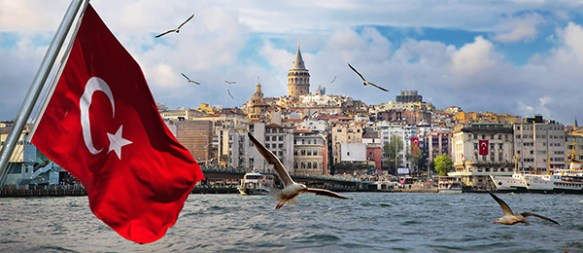
Istanbul Highlights #1

view-from-bosphorus-dreamstime

The highlights of Istanbul for a first-time visitor are:

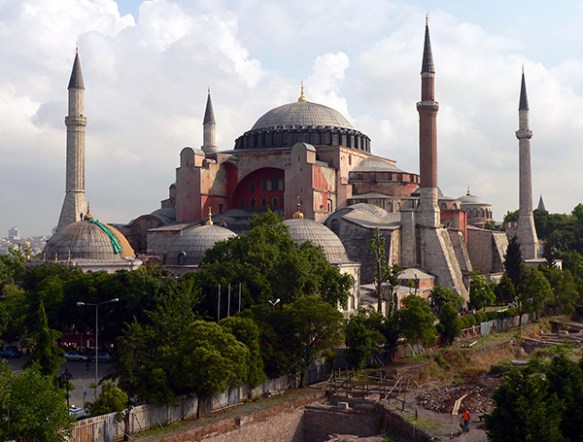
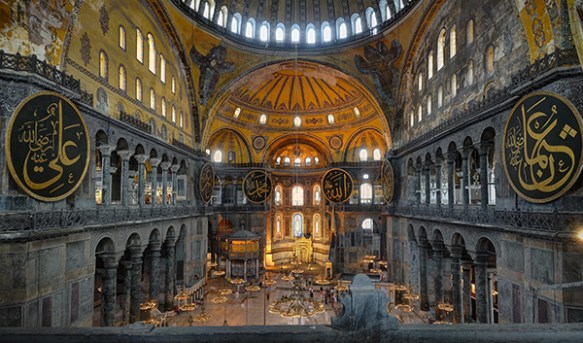
The Hagia Sophia is a 6th-century Christian basilica, converted to a mosque by the Ottomans. After 85 years as a museum, Hagia Sophia became a working mosque again in 2020. If the word awesome still had meaning, I would use it to describe the Hagia Sophia, temple of Holy Wisdom. It set the standard for Byzantine architecture, though it was 1,000 years before another cathedral surpassed its size. From the outside, it’s a red-orange mountain that seems to anchor the city to the Bosphorus shore. It’s not particularly beautiful but the air of greatness can’t be missed. On the inside, it’s vast and filled with the light of heaven. The massive, superlative dome practically floats above the wide-open enormity below. Interior surfaces are decorated with frescos, mosaics, calligraphy and marble.

Hagia_Sophia_Cathedral

hagia-sophia-interior

Continue reading