NAME THAT COUNTRY

The Mutrah Corniche is a waterfront promenade wrapping around the harbor of Mutrah, the historical district of Muscat, capital of our mystery country. A leisurely stroll along the corniche is a highlight of a visit to Muscat, especially at dawn or dusk, when the lights play on the water, and the temperatures are mild. The corniche attracts locals and visitors alike and is a prime people-watching spot. Popular attractions, the Mutrah Souk and fish market, are adjacent to the corniche.


Can you name that country? 
See below for answers.

Continue reading

NAME THAT COUNTRY

This is Sur, on the northern coast of our mystery country, about 90 miles northeast of the capital city, Muscat. Sur has been a regional center of ship building for centuries. Visitors can tour the ship yards and observe craftsmen building the traditional vessels in the same way they have done for many generations. The ship pictured is the Fatah Al Khair, a type of Al Ghanjah ship, built in 1951. The semicircular keel is one of the signature features of Sur ship builders.


Can you name that country? 
See below for answers.

Continue reading

Frankincense, from Oman to the World

Frankincense

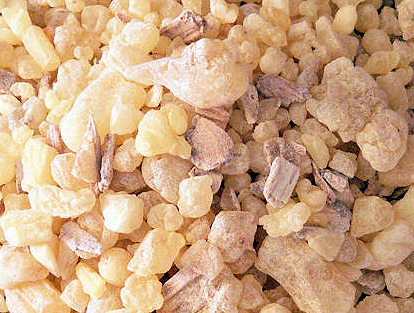
Frankincense, the wealth of ancient Oman, flowed from the scared trunks of scrappy little trees on the wadi flats and mountain sides of misty Dhofar. The prized scent intensified as the resin dried and hardened.Then it was sent out by land and sea across the known world.

Dhows, the traditional sailing vessels of the region, carried frankincense to ports in Africa, Mesopotamia and India. While great caravans of 1,000 or more camels walked 2,000 miles north across the unforgiving Arabian Desert to ports on the Mediterranean Sea.

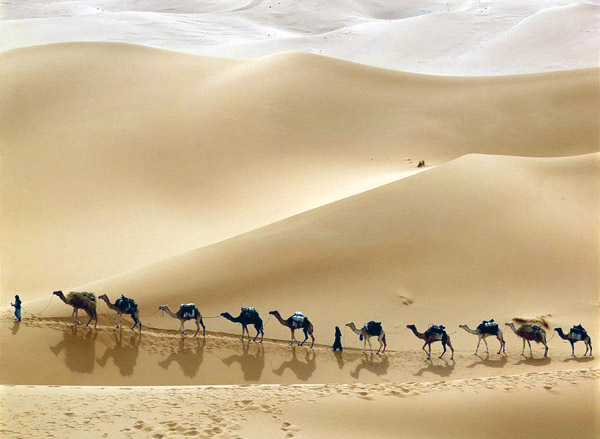
Camels can survive weeks without food or water, drawing on the fat stored in their humps. When necessary, they ate grains they carried or whatever they could find to graze on. Caravan drivers ate food packed by the camels, hunted, and shopped where they could on the way.

Tribal territories around the routes carved their share of the trade by charging tolls for passage and selling supplies.

Overnight camps were set up in the open desert or at caravanserai, the truck stops of the ancient trade routes. Song and dance around the fire recapped the highlights of each day’s journey, celebrated a step closer to completion and energized the company for the next leg.

The frankincense trade goes back at least 5,000 years. Egyptians and Mesopotamians were crazy for it, and the Greeks and Romans after them. It was used in religious ritual, in cosmetics, in medicine, even to embalm the dead. Today it’s used in pretty much the same ways and Dhofar still produces some of the highest quality frankincense in the world.

In Dhofar, you can visit remains of the ancient frankincense trade at Sumhuram and Al Baleed, both UNESCO World Heritage Sites near Salalah in southwestern Oman.

Check out our Oman tours at www.yallatours.com/oman.
NAME THAT COUNTRY Episode 115

Nakhal Fort pictured above is just one of many beautiful, grand old fortresses standing watch over our mystery country. It is located in the north of the country, in the foothills of the Western Hajar Mountains, about 75 miles west of the national capital Muscat.
The fort has been expanded and renovated many times over the centuries but its origin is pre-Islamic, so sometime before the 7th century. The fort wraps around the top of a natural prominence, giving it a unique shape that can appear both an imposing monument and an extension of the rugged landscape.

Can you name that county? 
See below for answers.

Continue reading

NAME THAT COUNTRY Episode 106

In the rugged Al Hajar Mountains, the village of Misfat Al Abryeen is an idyllic place, where you can take a shady walk through fields and orchards and catch stunning views of the surrounding mountains and gorge. Date palms, banana trees, pomegranates and goats are just some of the inhabitants of this oasis, all fed by the aflaj (falaj singular) irrigation channels trickling through. The traditional aflaj system has been in use locally for around 2,000 years. Water from the mountains and underground springs is forced through man-made channels and gravity is used to systematically distribute the water to terraced fields.

Can you name that county? 
See below for answers.

Continue reading

NAME THAT COUNTRY Episode 77

This ceremonial palace of the ruler of our mystery country is located in the national capital, Muscat, located on the northern coast. When he came to power in 1970,  the current ruler, Sultan Qaboos, introduced transformative economic and social programs. Today, the country is prosperous, politically stable and socially liberal, relative to its neighbors.

Can you name that country? 
See below for answers.

Continue reading

NAME THAT COUNTRY Episode 67

If you’re up for the hair-raising drive in, through the craggy Al Hajar Mountains, the  village of Bilad Sayt is an enchanting, timeless corner of our mystery country. There are many such places in the country, which wisely balanced modernization and traditional culture as it climbed out of the Middle Ages and turned toward the outside world in recent decades. Far less flashy than some of its neighbors, Dubai and Abu Dhabi, the easy authenticity of this country is one of its most appealing traits.

Can you name that country? 
See below for answers.

Continue reading

NAME THAT COUNTRY Episode 57

The Western Al Hajar mountains provide a dramatic, high-contrast backdrop for the crisp whitewash and muted pastels of our mystery country’s capital city. In the picture, 16th-century Portuguese watchtowers look down respectfully on the modern royal palace, ceremonial residence of the country’s beloved, progressive ruler Sultan Qaboos bin Said Al Said. Since coming to power in 1970, Sultan Qaboos has been committed to the welfare of his people. Thanks to his investments in education, health care, infrastructure and economic development the country enjoys political stability and a high standard of living and is known as a beacon of moderation in the wider region.

Can you name that country? 
See below for answers.

Continue reading

NAME THAT COUNTRY Episode 47

This is Sur, on the northern coast of our mystery country, about 90 miles northeast of the capital city, Muscat. Sur has been a regional center of ship building for centuries. Visitors can tour the ship yards and observe craftsmen building the traditional dhow vessels in the same way they have done for many generations. A stroll along the waterfront boulevard (Corniche) offers lovely views across the bay. Gorgeous beaches line the nearby coast and beautiful, rugged wadis hide in the nearby mountains.

Can you name that country? 
See below for answers.

Continue reading

NAME THAT COUNTRY Episode 38

Between sea and desert, a swath of craggy mountains are rich with exquisite valleys or wadis, where rugged terrain shelters clear, fresh-water pools, lush palm groves and waterfalls. These natural features are treasured by our mystery country and attract the range of visitors, from picnicking local families to adventure-seeking travelers from abroad. Around the edges, wadis can be gentle and easy to access but most often a 4-wheel drive will be required. A hike into the depths of a wadi will likely involve climbing over large rocks and wading or swimming through fresh water pools.

Can you name that country? 
See below for answers.

Continue reading